If you are new to doing laundry away from home, the temperature dial is the decision that feels most like a test. Hot sounds cleaner. Cold sounds safer. Warm sounds like a compromise invented to avoid choosing. In Rock Hill, where summer loads arrive full of sunscreen, sweat, and red clay dust, the honest answer is that each temperature does a specific job, modern detergent has changed the old rules, and most loads are less fragile than the dial makes them feel.
Walk through it in the order you will actually face it: load by load, at the machine.
What each temperature physically does
Hot water dissolves oils and grease fastest and gives the strongest cleaning action on heavily soiled items like work clothes, kitchen towels, and cloth diapers. It is also the hardest on fabric: it fades dyes, sets some protein stains permanently, stresses elastic, and costs the most energy. Warm water is the general-purpose setting, strong on everyday soil and body oils, gentler on color than hot. Cold water protects dyes and delicate fibers and, paired with modern detergents formulated to work in it, cleans ordinary lightly soiled loads well. Its weakness is grease and heavy soil, which it loosens slowly. The old rule that cold cannot clean is outdated; the rule that cold cannot degrease is not.
- Sort before you choose. Separate the load by soil and color first, because temperature follows the load, not the other way around. One temperature per machine means mixed loads get the setting of their most delicate, dirtiest, or brightest member, so sorting is the real decision.
- Read the care labels on the problem items. Most everyday clothing tolerates warm. Anything that bleeds dye, is elastic-heavy, or is labeled cold gets decided first, and the rest of the load follows it.
- Match temperature to the soil. Greasy work clothes and kitchen linens go hot or warm. Office clothes, dark jeans, and bright colors go cold. Towels and sheets, which carry body oil and benefit from a thorough clean, are the classic warm-to-hot load.
- Check for protein stains before committing to hot. Blood, egg, and dairy stains set permanently in hot water. If any are in the load, rinse or pre-treat them cold first, then wash.
- Add detergent for the temperature you chose. Standard detergents perform across settings, but cold-water loads do best with liquid or pods that dissolve fully; powder can leave residue in a cold cycle.
- Run it, then check before drying. Look at the dirtiest item before it goes in the dryer. Heat from the dryer sets stains that survived the wash, so the moment to catch a survivor is now, not after folding.
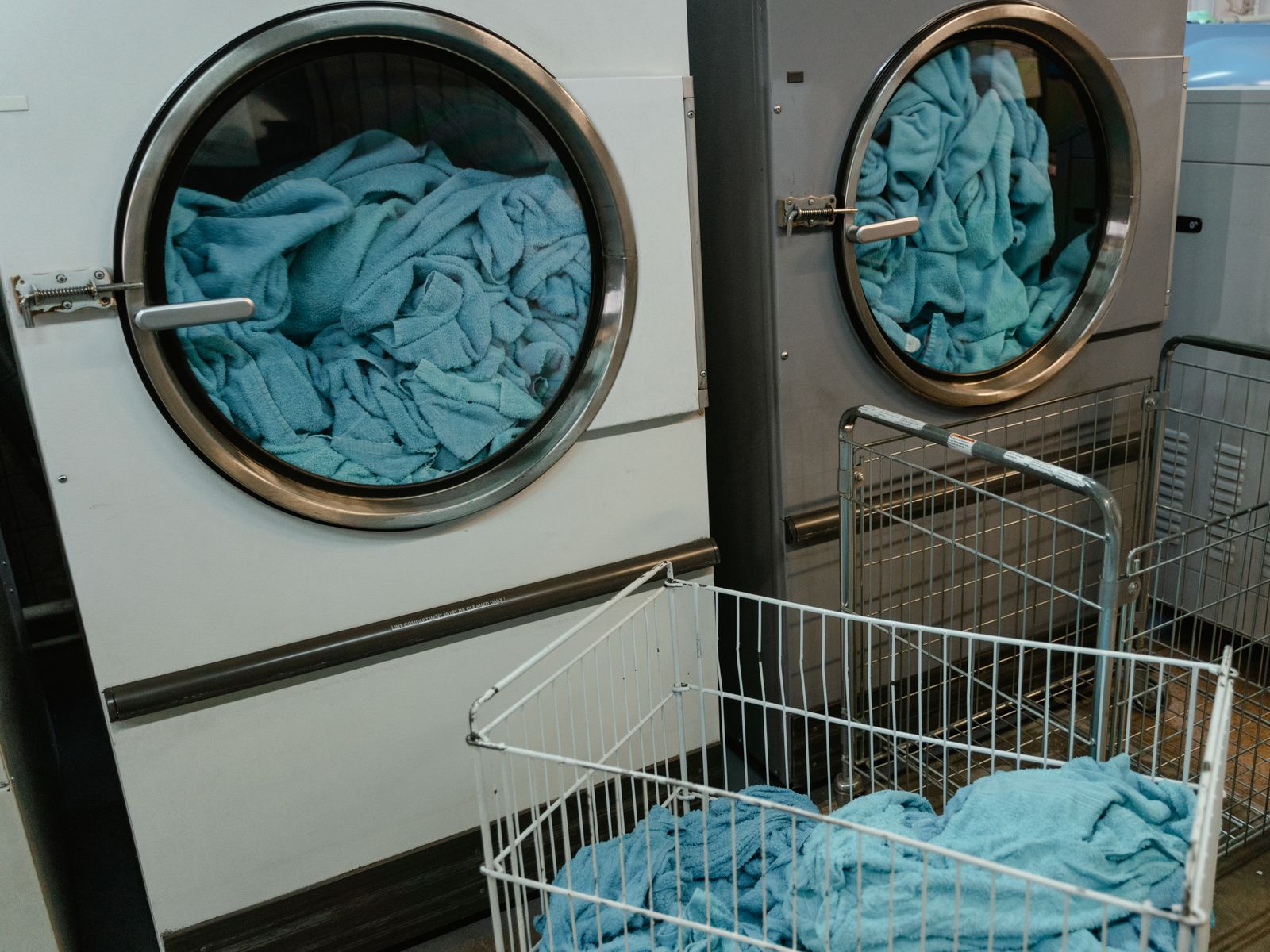
The clay, pollen, and sunscreen footnotes
Local soil has local habits. Red clay dust is a mineral stain: brush it off dry, never rub it in wet, and wash in warm water after a pre-soak if the load is heavy with it. Pollen rinses out readily in any temperature, which is convenient in spring. Sunscreen is the sneaky one, an oil-based product that can leave yellowish marks, especially on white fabrics, and it responds to warm water and a grease-cutting pre-treat far better than to a cold rinse. Sweat itself is mostly water-soluble, but the body oils that come with it are why athletic loads washed cold for months can develop a permanent locker-room undertone; an occasional warm wash resets them.
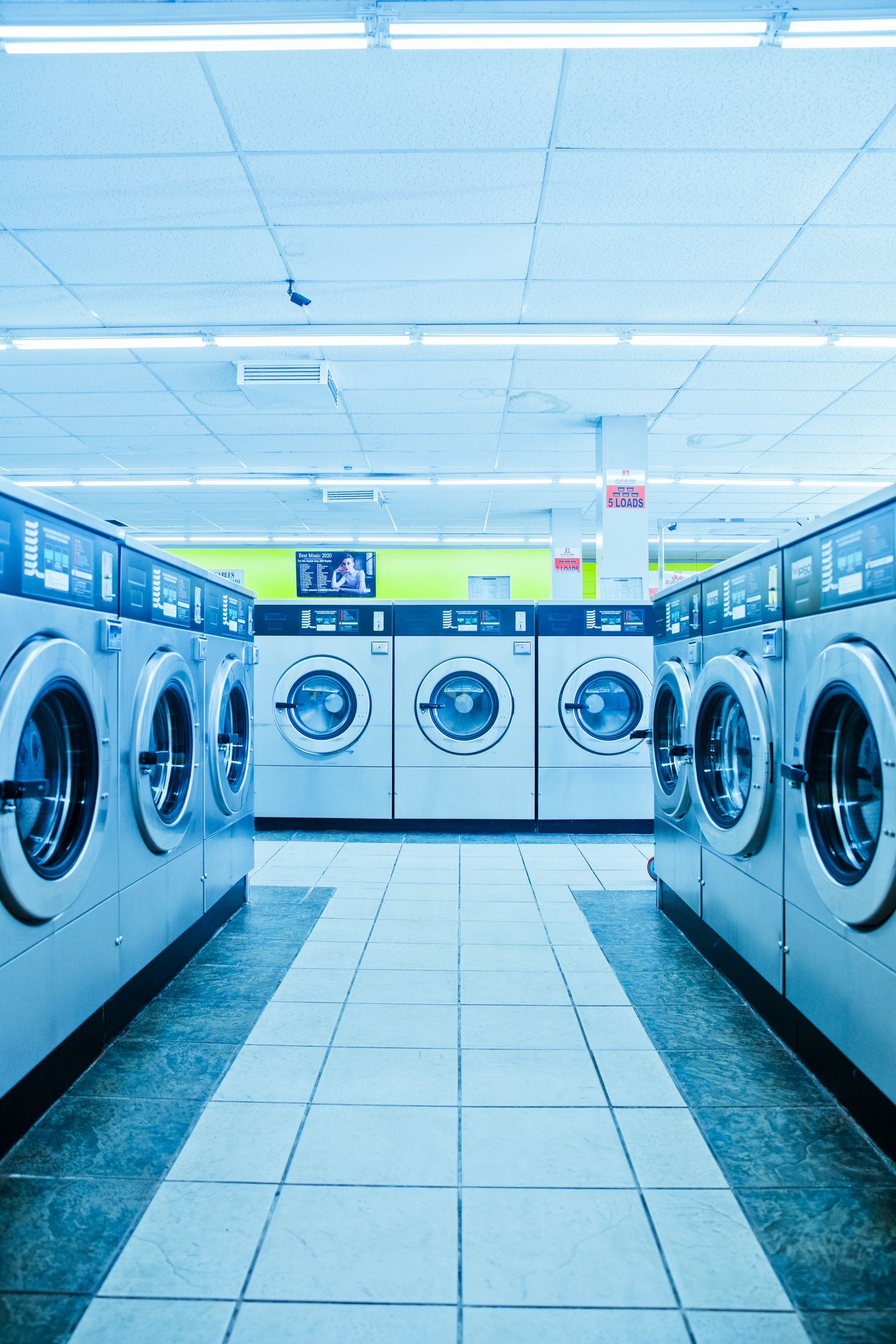
A default worth memorizing
If you want one rule to carry into Fast Pace Coin-Op Laundry or anywhere else, it is this: cold for color and delicates, warm for the everyday middle, hot for the genuinely grimy and the washable whites, and never hot on an untreated protein stain. That rule will be right far more often than it is wrong, and the exceptions announce themselves on care labels. Temperature is a tool with three settings, not a moral scale where hotter means more virtuous. The cleanest load is the one matched to what is actually in the drum.
Common questions
Does cold water really get clothes clean?
Yes, for ordinary soil, with modern detergent. Cold struggles with heavy grease and ground-in grime, which is where warm and hot earn their place, but a normal week of worn clothing is well within cold's ability.
Will hot water shrink my clothes?
Hot water can shrink natural fibers, especially cotton and wool, and the dryer usually does more shrinking than the washer. If fit matters, wash warm or cold and dry on a lower setting.
What temperature kills the most germs?
Hot water combined with detergent and a full hot dryer cycle is the strongest combination available in a laundromat. For everyday healthy-household laundry, warm washing and complete drying are generally sufficient.
Photos in this guide are representative stock images.
← All guides from Fast Pace Coin-Op Laundry← Back to Fast Pace Coin-Op Laundry