Drop-off laundry sounds simple until you are standing at the counter with a bag and a set of unasked questions. Will they separate your colors? What detergent will they use? When do you get it back, and in what shape? Wash-and-fold, the service behind the counter at a laundromat like Fast Pace Coin-Op Laundry in Rock Hill, is a defined routine, and knowing the routine makes you a better customer and gets you laundry back the way you wanted it.
This piece lays out what the service includes, how turnaround changes across the week and the year, and the small bits of information that make the biggest difference.
What the service actually includes
The standard sequence is weigh, sort, wash, dry, fold, and package. Your load is weighed because drop-off service is priced by weight rather than by machine, which is why a bag of towels and a bag of shirts are not the same load economically. Sorting follows the normal rules: lights and darks separated, delicates pulled, and items checked for care labels and stains you have flagged. Washing and drying use the shop's commercial machines. Folding is the part people underestimate. Clothes are folded promptly out of the dryer, which is why drop-off laundry comes home with fewer set wrinkles than laundry that rode around in a car trunk for an afternoon.
What it does not usually include, unless you ask: ironing, hand-washing, stain treatment beyond a normal pre-treat, and sorting a household's laundry back into per-person piles. Some of those are available, some are not, and all of them are conversation items, not assumptions.
| When | What is happening | What it means for you |
|---|---|---|
| Weekday mornings | Counter at its quietest; machines turn fast | Best window for the fastest turnaround and a longer conversation about special requests |
| Weekday evenings | Steady self-service traffic alongside drop-offs | Drop early in the evening rather than near closing so your load starts the same day |
| Weekends | Peak demand from both counter and machines | Expect turnaround to stretch; drop Saturday morning rather than Sunday if the week depends on it |
| Late spring | Pollen season loads: bedding, blankets, and outdoor fabrics | Bulky items take dryer time; allow an extra day for comforters and heavy blankets |
| Late summer | Back-to-school and sports-season laundry surges | Uniforms and practice gear pile up across town; plan around the first weeks of school |
| Before holidays | Guest bedding and table linens arrive in a rush | Drop guest sheets and towels a few days ahead instead of the day before company arrives |
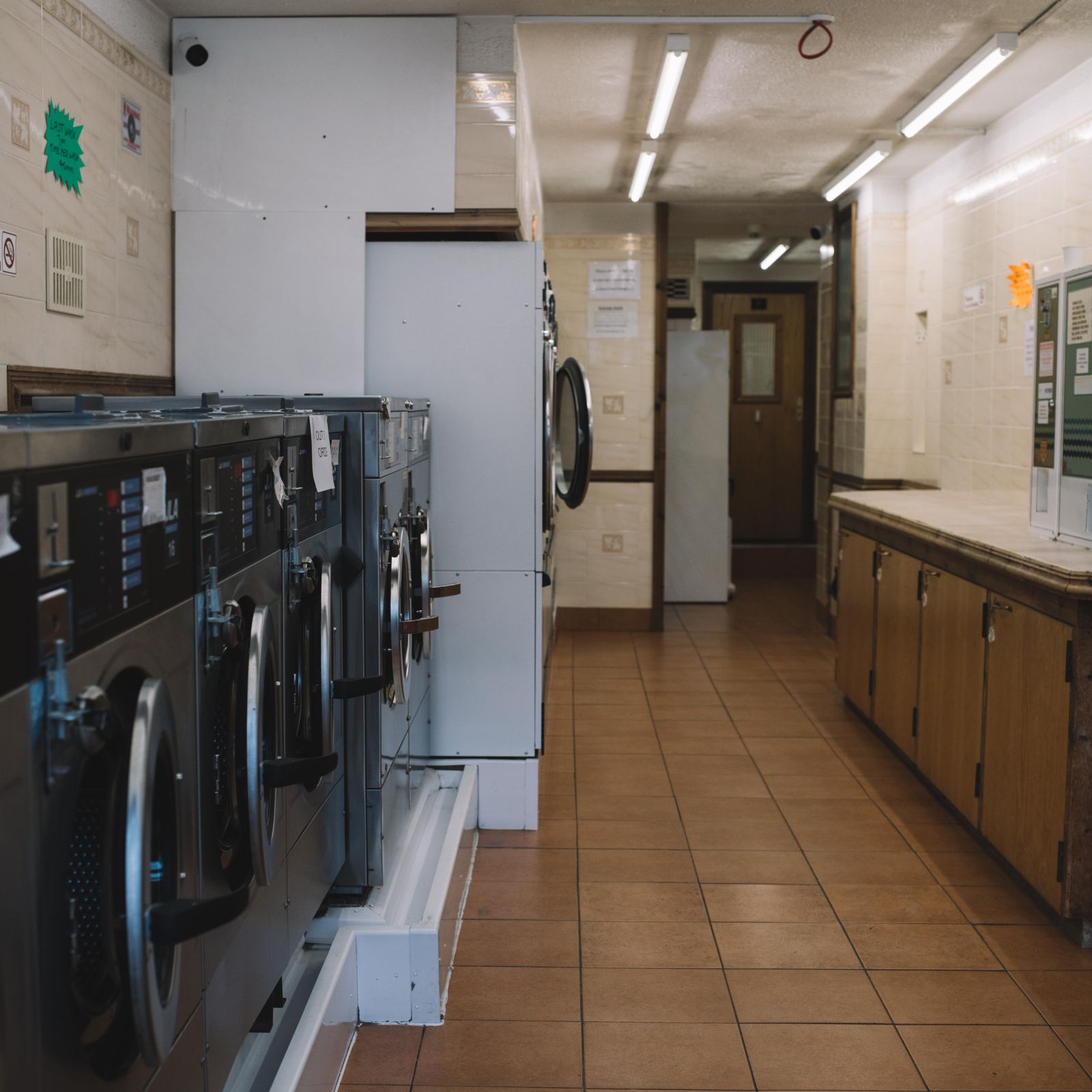
What to tell the attendant
Four things, every time they apply. First, stains: point them out and say what they are if you know, because a grease spot and a blood spot want different treatment and neither announces itself once it is wet. Second, sensitivities: if someone in the house reacts to scented detergent or needs a free-and-clear product, say so at drop-off, not at pickup. Third, fragile items: the sweater you would never forgive the dryer for shrinking should be flagged or simply kept home. Fourth, timing: if you need the load for a trip or a Monday uniform, name the deadline. Attendants prioritize honestly when they know the real constraint.
It also helps to empty your own pockets. Drop-off loads are checked, but the pen, the receipt wad, and the child's crayon are your responsibility, and a melted crayon is a tragedy that involves every item in the load, not just yours.
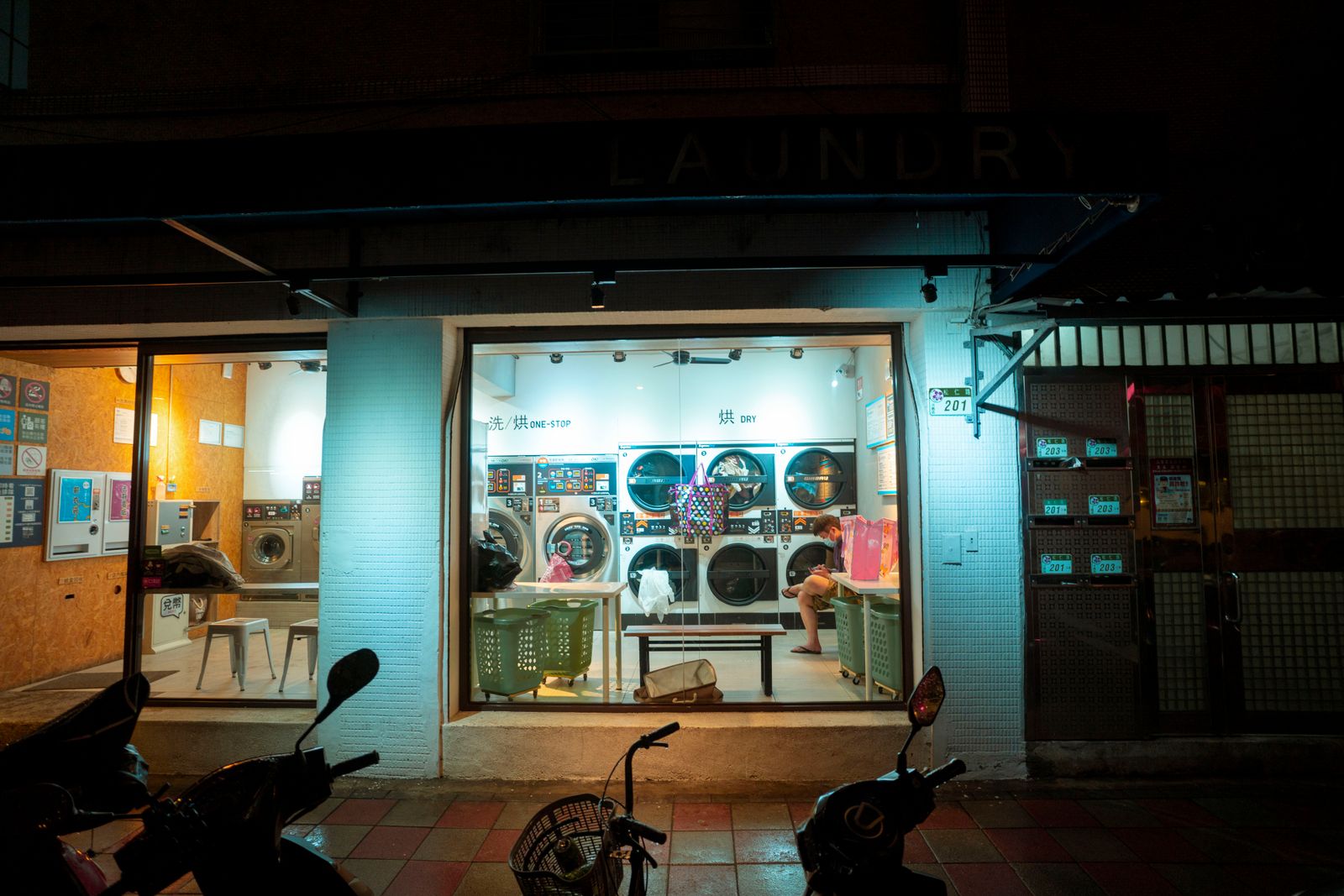
Pickup, and checking the fold
Bring your ticket or claim information, and do a quick count of packaged bundles before you leave if the load was large. At home, hang the items that wrinkle as you unpack rather than leaving the package folded for days, which sets the fold lines the service worked to avoid. If something is wrong, a missing sock, a stain that survived, raise it promptly and with the ticket in hand. Laundromats deal with hundreds of similar garments a week, and the conversation goes better the sooner it happens. Finally, a habit worth building: keep one dedicated laundry bag for drop-offs, so the trip becomes a grab-and-go routine instead of a scavenger hunt.
Common questions
Is my laundry washed with other customers' clothes?
No. Drop-off loads are washed as your load, in their own machines, start to finish. That separation is the baseline of the service, not an upgrade.
How fast is turnaround, really?
It depends on the day and the load. Weekday drop-offs at a shop like Fast Pace typically turn faster than weekend ones, and bulky bedding takes longer than clothing. Ask for the pickup time at drop-off and plan on that answer.
Should I sort before I drop off?
You do not need to. Sorting is part of the service. Do pull out anything that should not be machine washed or dried at all, and flag stains and fragile items when you hand the bag over.
Photos in this guide are representative stock images.
← All guides from Fast Pace Coin-Op Laundry← Back to Fast Pace Coin-Op Laundry