Every household has a load the home washer loses to: the king comforter that balls up and comes out half dry, the bathroom rug with the rubber backing, the blanket that smells like the dog. These are the loads the big machines at a laundromat exist for. They are also the loads people most often postpone, sometimes for a year at a time, which is its own problem. A comforter is a sponge for skin oil, dust, and whatever the pets contribute, and the longer it goes unwashed, the harder the eventual wash has to work.
Here is what fits, how to wash it, and why the drying half of the job matters more than the washing half.
What fits, and what does not
High-capacity front-load washers handle king comforters, sleeping bags, mattress pads, and most washable rugs, with the governing rule being tumble room, not raw size. If you have to force the door shut, the load is too big: water and detergent cannot circulate, and the item comes out with dry patches and soap still in the folds. Front-loaders clean by lifting and dropping the load through the water, so the comforter needs to actually fall. Load it loosely, shake it out first, and distribute it evenly rather than winding it around the drum.
Check before you wash: a rug whose rubber backing is cracked and flaking will shed that backing through the wash and into the drain, and heavily soiled shop or garage rugs belong in a utility sink, not a shared machine. Down comforters are washable in large machines if the care label allows it, but they are the highest-effort dry in the building, which brings us to the real point.
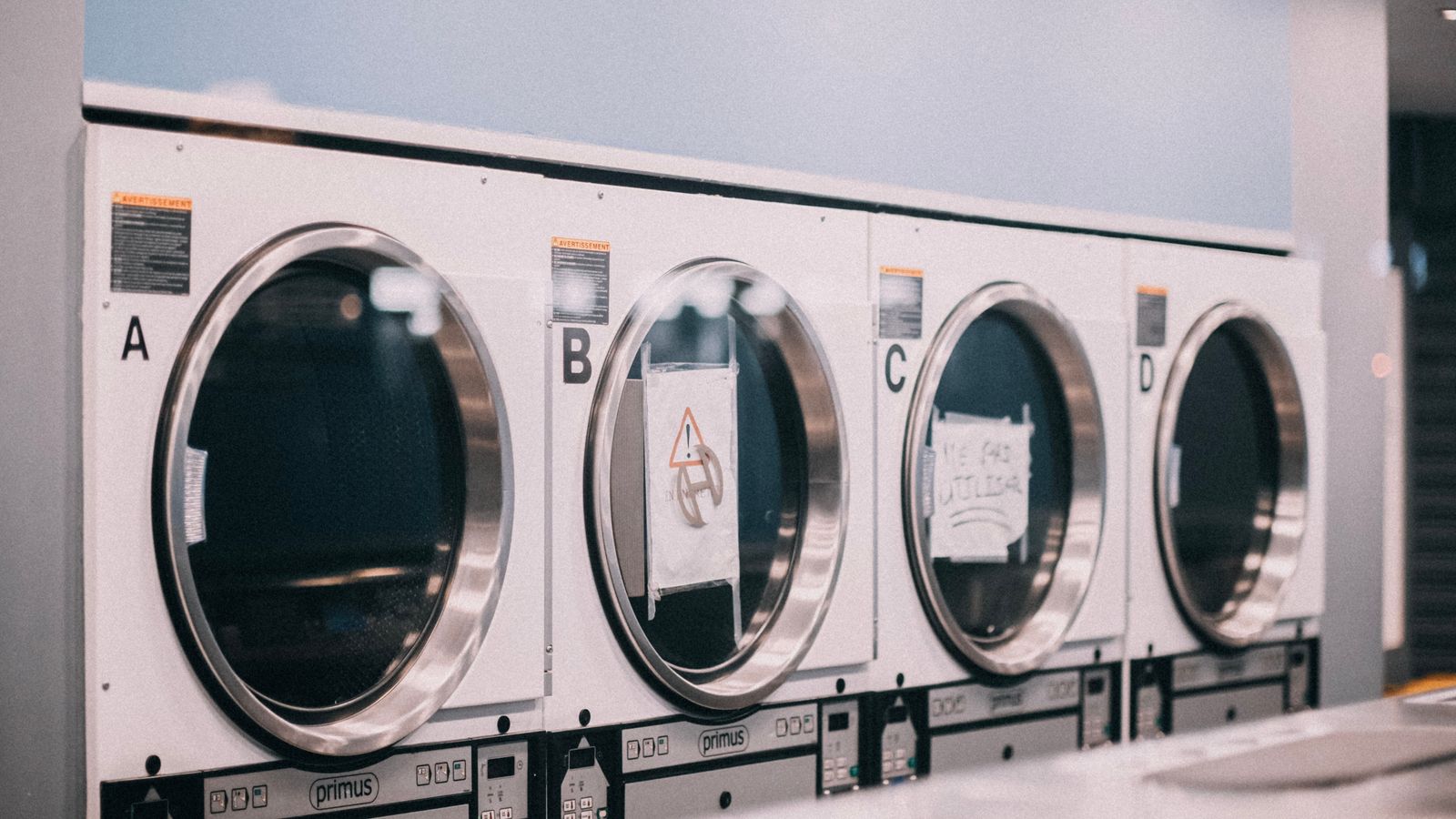
Drying is where bulky loads are won or lost
A thick comforter can feel dry on the surface while the center fill is still damp, because the outer layers dry first and insulate the rest. Fold that comforter onto the bed or into a closet and the trapped moisture turns musty within days, and in a humid Rock Hill summer, mildew follows. The fix is patience and interruption: dry in cycles, pulling the item out between them to shake and redistribute the fill, and check the center, not the corners, before calling it done. Down and synthetic fills both clump when wet; dryer balls or clean tennis balls in the drum break the clumps apart so air reaches the middle. Large dryers help here too, since a comforter that can tumble freely dries far more evenly than one packed into a home dryer.
The cost of putting it off
Unwashed bedding accumulates more than smell. Body oils oxidize in fabric and get progressively harder to remove, which is why a blanket washed twice a year comes clean easily and one washed every two years may keep a shadow of the grime after a full cycle. Dust and pollen load into the fill, a real consideration in a house with allergies during Carolina pollen season. Rubber-backed rugs degrade faster dirty, because grit works into the backing and cracks it. None of this requires a schedule carved in stone. It argues for treating the big wash as a seasonal routine, spring and fall, rather than an emergency measure, and shops built for big loads and bulky items, like Fast Pace Coin-Op Laundry, exist precisely so that routine is a single trip instead of a wrestling match.
A quick load-by-load rundown
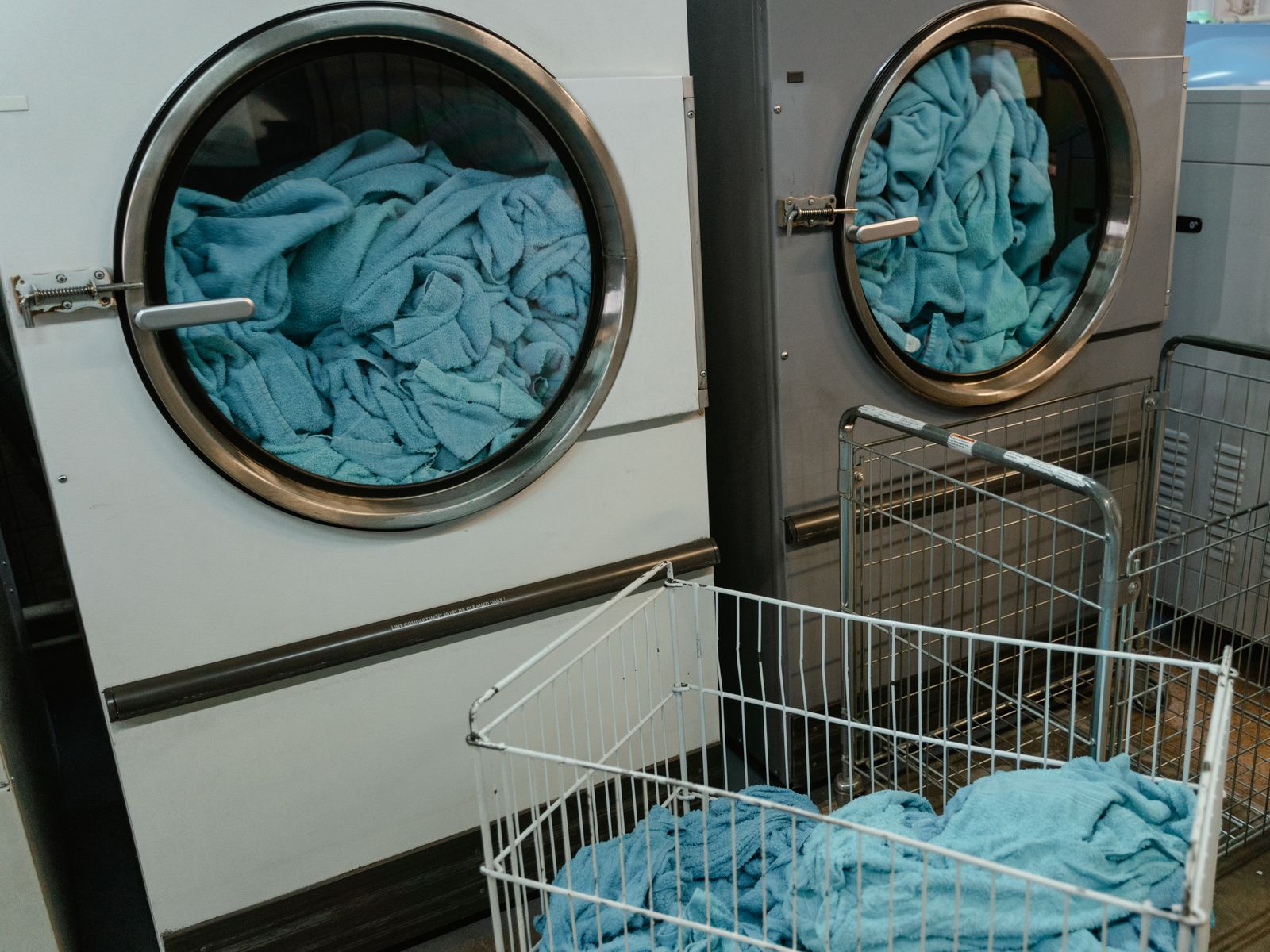
Comforters and duvets: large front-loader, warm water for most fills, full and interrupted drying. Bathroom rugs: wash cold to protect the backing, and air-dry or tumble low if the backing is rubber. Sleeping bags: front-loader only, since a home agitator tears baffles, and dry long with balls to restore loft. Pet blankets: shake hard outside first, wash separately from household laundry, and clean the lint filter mid-dry, because pet hair loads a filter faster than anything else in the building.
Common questions
Can I wash a king-size comforter in one machine?
Yes, in a laundromat's largest front-loaders, provided it loads loosely and can tumble. If you had to push the door closed, split the difference and use the next size up or wash it alone with more room.
Why does my comforter still smell after washing?
Usually it was dried incompletely. A damp center turns musty fast. Re-dry it in cycles, shaking the fill out between them, and check the middle for cool dampness before folding it away.
Are rugs safe in commercial washers?
Washable rugs in sound condition, yes. Skip any rug whose rubber backing is cracking or flaking, since the backing will break apart in the wash and clog the machine.
Photos in this guide are representative stock images.
← All guides from Fast Pace Coin-Op Laundry← Back to Fast Pace Coin-Op Laundry